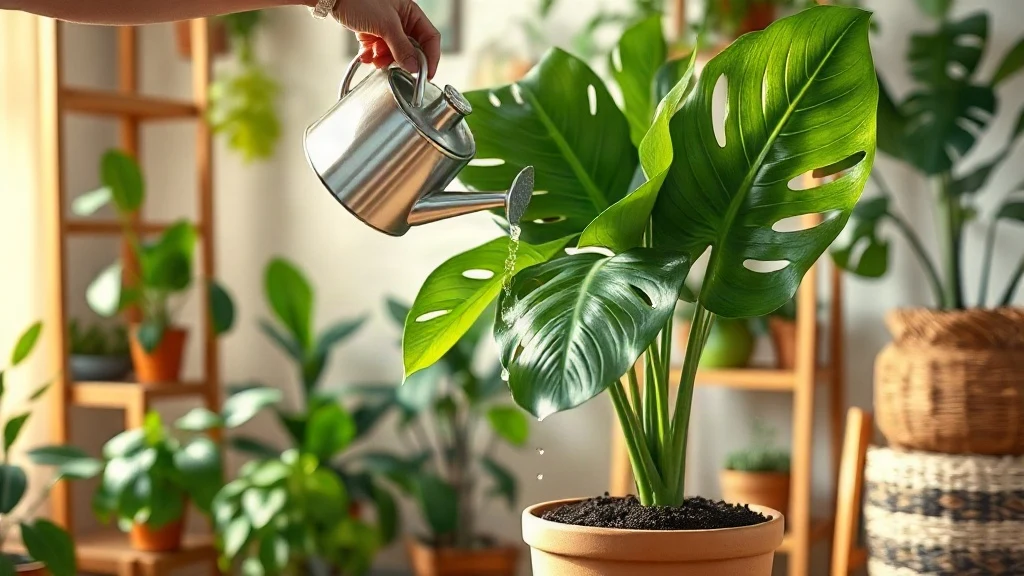
Monstera Plant Care: Simple Guide for Your Swiss Cheese Plant
Monstera plant care made simple: light, water, soil, humidity, propagation, yellow leaves, and pests. Updated for 2026.
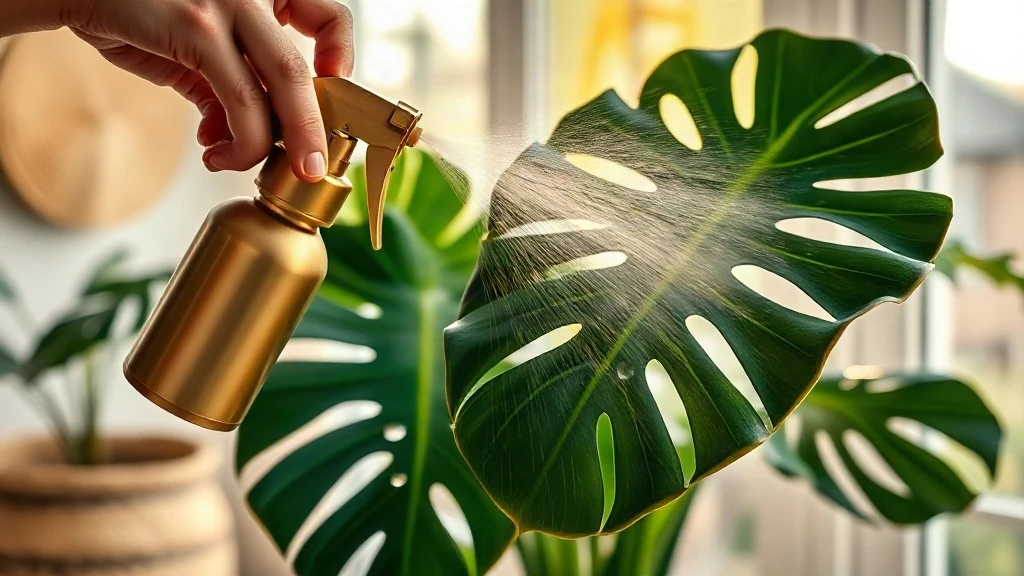
monstera plant care: Monstera plant care made simple: light, water, soil, humidity, propagation, yellow leaves, and pests. Updated for 2026.
Related reading: Discover our full guide on Houseplant Care Guide for Beginners (Updated 2026).
Updated: 2026
Monstera plant care is not complicated once you remember that the Swiss cheese plant is a tropical climber, not a desert succulent. Give it bright but filtered light, a soil that dries a little between waterings, and something to climb, and Monstera deliciosa will reward you with large, fenestrated leaves for years. Here is the full routine, step by step.
Monstera Plant Care at a Glance
Monstera deliciosa, often called the Swiss cheese plant, comes from the rainforests of southern Mexico and Central America. It grows as a climbing hemiepiphyte, sending roots up a tree rather than along the forest floor. The table below summarizes the plant basics that determine most success.
| Monstera Care Factor | Favorite Range |
|---|---|
| Light | Bright but indirect sunlight, no direct spotlight |
| Water | When the top 2,5 cm of soil is dry, usually every 5 to 10 days |
| Humidity | 40 percent or more, with good air flow |
| Soil | Chunky, peat - based mix with perlite and bark |
| Temperature | 18 to 27 degrees Celsius |
| Fertilizer | Balanced liquid feed, every 2 to 4 weeks in spring and summer |
These numbers are starting points, not laws. In a dark apartment you water less often. In a hot room with strong airflow you water more. The plant tells you what works, so adjust and watch.
Monstera Plant Care: Light and Location
Put your Monstera in bright indirect light an arm length from a bright window with a sheer curtain or shear, anything that diffuses. Direct noon sun scorches the broad leaves and will leave large white patches.
If the light is too weak, the internodes stretch and leaves stay small. If the light is too strong, leaf edges brown. Morning and late afternoon sun can be fine, but keep the plant out of harsh midday rays.
The University of Wisconsin Division of Extension also recommends a sturdy permanent position: a monstera should not be moved every week. Rotate it a quarter turn each month so it grows straight while the aerial roots slowly grab onto the nearest support. Find the complete houseplant basics in indoor plant care for houseplants.
How Often Should You Water a Monstera?
Water a monstera only when the top few centimeters of soil feel totally dry. The finger test still works well: push a wooden skewer to the bottom of the pot. If it comes out dirty and moist, wait a day. If it comes out clean and dry, water until liquid drains out the bottom.
Watering schedules have to change between warm and cooler months. In summer, most plants need water every 5 to 7 days. In winter, every 10 to 14 days. The internals prefer dry conditions, but never let the soil turn bone dry for weeks.
You can check our Monstera adansonii care guide for how the smaller leaf species needs a slightly different moisture balance.
The Best Soil and Pot Combination
Monstera plant care needs a chunky, well draining soil mix that holds some water at the same time. A simple recipe combines 2 parts all purpose potting mix, 1 part perlite, and 1 part orchid bark or coconut chips. This creates air pockets around the roots and prevents the unwanted, suffocating wet.
Choose a pot with a drainage hole. Terracotta works well because it allows extra moisture to evaporate. If you keep the plant in a decorative cover pot, tip it over after each watering so no wall sits in the water.
A monstera likes a smaller stable in its early years. Repot every year or two in the spring, only one or two pot sizes up. A ten year old plant is hard to report, so many homes simply electric a moss pole or let it leaf out over a torroidal frame.
Humidity and Temperature Your Monstera Needs
Monstera meal rises to around 40 percent or higher humidity, which is most average rooms. When the air is too dry, the tips turn brown and crisp, and the leaves may fold inward.
You can raise humidity around the plant without buying a fogger: put a pebble tray with water under it, run a humidifier, or group plants together. Keep the plant away from heat vents and cold window panes.
This is the only true challenge for an open, two way leave and a good location. As the Missouri Botanical Garden writes, "Monstera deliciosa is a fast growing climber that uses large holes in the leaves so high winds and heavy rain do not tug it loose from the tree." They mention seeing an old plant with a leaf veil as long as a meter. That is a good clue the plant needs a consistent warm spot, about 18 to 24 degrees, and a little air movement, not a freezing blast.
Why Does a Monstera Not Have Holes or Splits?
Fenestration, the split and sees grape in the leaves, appears only when the plant reaches a certain maturity and gets enough light. A young or bottom leaf can look flat and simply hospital. That is likely the low light.
Give the plant bright light, a few weeks, and water steadily in season. The holes are not a sign of a disease. They also grow on new leaves, and not on the old ones already full. If you bring a small cutting, expect flat leaves for one or two seasons and then the perforated ones show step by step.
For more general symptom spotting, keep a toe in the linked and look at both leaves and roots, because the top area is healthy.
How to Propagate a Monstera
Propagation is the easiest way to get more Swiss cheese plants, and a monstera stems root quickly. Cut a stem just below a node that has an aerial root and at least one leaf. Use clean scissors or pruners.
Place the cutting in a small jar of water, with the node at the water, and keep it in bright, indirect light. In about 3 to 6 weeks the white roots will be an inch or more long. Set the rooted cutting into a damp soil mix for the chunky mix above.
Cut back nothing else. Prune if the leg finds too long or a damaged leaf. Sanitize your blade each time to avoid disease.
Monstera Yellow Leaves: What to Check First
Yellow leaves on a monstera usually mean water trouble, either too much water or too dry. If the soil is soggy and the leaf turns yellow mostly at the base, root rot is the likely cause. If the leaves look droopy and the soil feels bone dry, you have waited too long.
Other common causes include too low light, nutrient shortage, or natural old age. Check the drainage hole and the roots. Trim off dead or rotten roots, repot in a grittier soil mix when necessary.
Do not water yellow spots. A plant can recover if the pot has air and the roots have a chance to dry.
Monstera Pests and How to Get Rid of Them
Monstera’s most frequent pests are spider mites, mealybugs and scale. You need to wipe both sides of leaves, check (soft) stems and the area close to the midrib.
For spider mites, rinse the plant in the shower for a strong, steady room and then treat with a neem oil spray for two weeks. For mealybugs or scale, dab each with a cotton bud soaked in isopropyl alcohol, then wipe away the sticky leaf. Repeat weekly until you wholly disappear.
Keep pests away with air circulation, check new plants for a week, and wiping leaves with soap and water monthly.
Common Monstera Fertilizer and Food Needs
A monstera does not puncture to heavy nutrition. Give it a balanced 10-10-10 houseplant fertilizer only in the growing and active months, as listed on the label; no food at all in winter. Overfeeding shows up as brown margins and crusty white salts on the soil surface.
Frequently Asked Questions
Do monsteras like direct sunlight?
No, Monstera deliciosa grows under the jungle canopy and needs bright indirect, filtered light. A few hours of early morning or late evening direct sun can be fine, but winter beams and by at good noon will burn a leaf.
Why are my monstera leaves turning yellow?
Yellow leaves usually mean root moisture problems. Check if the soil is staying soaked (too much water) or completely dry (cold dry). Other reasons are low light, old leaf, or too much fertilizer. Always inspect the pot hole and the root color.
How long does a monstera take to grow leaves with holes?
The iconic splits and holes indicate the plant gets enough maturity and light. A young or small cutting may need 12 to 24 months before it begins to repeat the pattern on new leaves. Good light helps.
Can I cut a monstera and replant?
Yes. Cut a stem below a node and place the cutting in water for a few weeks. When roots appear, plant it in potting soil. The main plant then grow a new shoot near the cut.
Final Monstera Plant Care Routine
Simple routine, and keep it when you water. Once a month rotate the pot. Check underneath for yellow of pest. Wipe the leaves. That is the whole thing. A healthy monstera is tolerant, and the plant gives you plenty of second chances if you keep the basics in that order.
Next story
Houseplant Care Guide for Beginners (Updated 2026)
Simple houseplant care answers for beginners: how often to water, how much light to give, when to repot, and how to fix common problems. Updated 2026.