Monstera Adansonii Care: Complete Guide for Healthy Growth
Learn Monstera adansonii care: watering, light, soil, humidity, pests, and troubleshooting. Expert tips for a thriving Swiss cheese vine.

Monstera adansonii, often called the Swiss cheese vine or monkey mask plant, is a beloved trailing houseplant known for its distinctive fenestrated leaves. This guide covers everything you need to know about Monstera adansonii care, from watering and light to soil, humidity, pests, and troubleshooting. Whether you are a beginner or a seasoned plant parent, these tips will help your adansonii thrive indoors.
Related reading: Discover our full guide on Houseplant Care Guide for Beginners (Updated 2026).
Related reading: Discover our full guide on Monstera Plant Care: Simple Guide for Your Swiss Cheese Plant.
Monstera Adansonii Care
Monstera adansonii is a tropical aroid native to Central and South America. It grows as a climbing vine in the wild, using aerial roots to attach to trees. Indoors, it adapts well to containers and can be trained to climb a moss pole or allowed to trail from a hanging basket. The plant is prized for its heart-shaped leaves with oval holes, which become more pronounced as the plant matures.
Proper care involves replicating its natural rainforest environment: bright, indirect light, high humidity, well-draining soil, and consistent moisture without waterlogging. With the right conditions, your Swiss cheese vine will grow quickly and reward you with lush, fenestrated foliage.
For more houseplant guides, visit the Houseplant Guide Hub.
Watering Your Monstera Adansonii
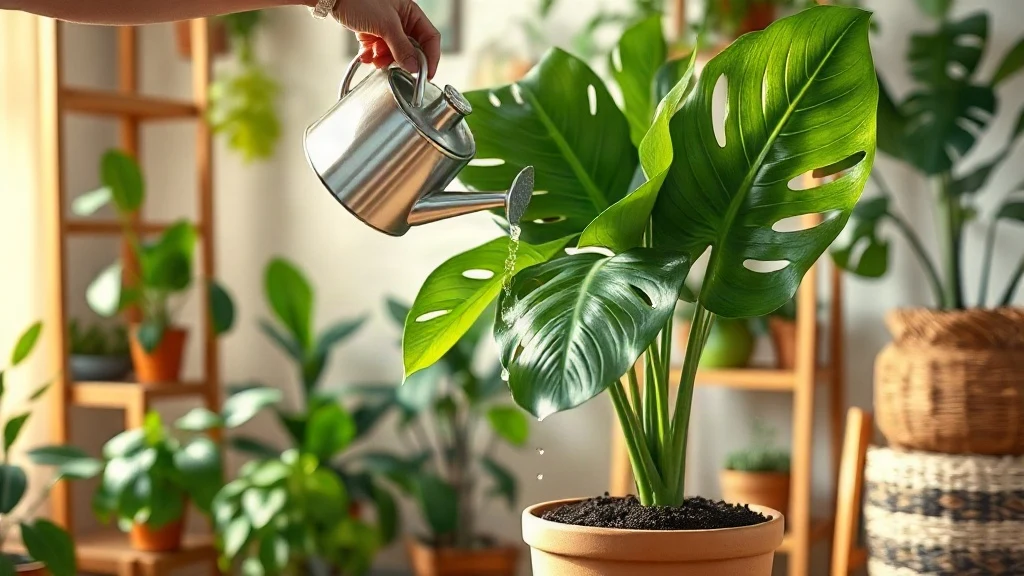
Watering is one of the most critical aspects of Monstera adansonii care. These plants prefer their soil to dry out slightly between waterings. A good rule of thumb is to water when the top 2 to 3 centimeters of soil feel dry to the touch. Depending on your home environment, this typically means watering every 7 to 10 days.
Overwatering is a common mistake that leads to root rot. Always use a pot with drainage holes and discard any excess water that collects in the saucer. Underwatering, on the other hand, causes the leaves to droop and the edges to turn brown. Check the soil moisture regularly and adjust your schedule based on the season, light, and humidity.
During the growing season (spring and summer), you may need to water more frequently. In fall and winter, reduce watering as the plant's growth slows. Always use room-temperature water to avoid shocking the roots.
Light Requirements for Monstera Adansonii
Monstera adansonii thrives in bright, indirect light. Place it near an east or north-facing window, or a few feet away from a south or west-facing window where the sun's rays are filtered. Direct sunlight can scorch the leaves, causing brown patches. Too little light results in leggy growth and smaller, less fenestrated leaves.
If your space lacks natural light, consider using a grow light. A full-spectrum LED grow light placed 12 to 18 inches above the plant for 10 to 12 hours a day can supplement your adansonii's needs. Rotate the pot every week to ensure even growth and prevent the plant from leaning toward the light source.
Soil and Potting Mix for Monstera Adansonii
A chunky, well-draining aroid mix is ideal for Monstera adansonii. These plants need air around their roots to prevent rot. A simple recipe is two parts potting soil, one part perlite, and one part orchid bark. This combination provides excellent drainage while retaining enough moisture and nutrients.
You can also use a pre-made aroid mix from a reputable brand. Avoid heavy garden soil or mixes that compact easily. When repotting, choose a pot that is 2 to 3 centimeters larger than the current one. Repot every 1 to 2 years in spring, or when roots become visible through the drainage holes.
Humidity and Temperature Needs
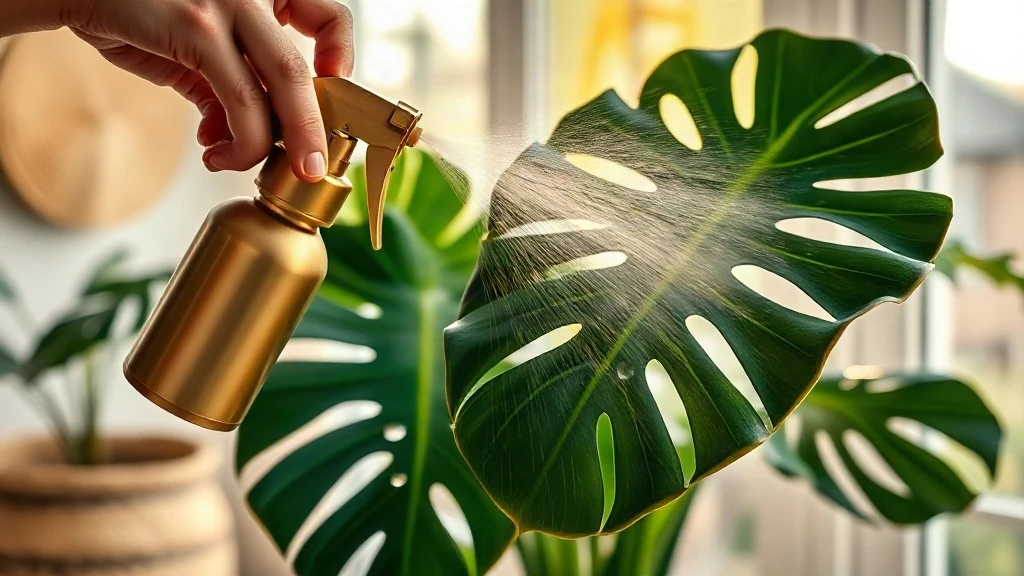
Monstera adansonii prefers humidity levels of 60% or higher. In typical indoor environments, humidity often falls below this, especially in winter. To increase humidity, you can mist the leaves regularly, place a pebble tray filled with water beneath the pot, or use a small humidifier. Grouping plants together also helps create a microclimate.
Temperature-wise, keep your adansonii in a range of 18 to 27 degrees Celsius (65 to 80 degrees Fahrenheit). Avoid cold drafts, sudden temperature swings, and placing the plant near heating vents or air conditioners. If the temperature drops below 15 degrees Celsius, the plant may suffer from cold stress.
Fertilizing Your Monstera Adansonii
Feed your Monstera adansonii with a balanced liquid fertilizer diluted to half strength every 4 to 6 weeks during the growing season. A fertilizer with an N-P-K ratio of 20-20-20 works well. In fall and winter, reduce or stop fertilizing as the plant's growth slows.
Over-fertilizing can cause salt buildup in the soil, leading to brown leaf tips. If you notice this, flush the soil with water to remove excess salts. Always follow the manufacturer's instructions and err on the side of under-fertilizing.
Pruning and Propagation
Pruning helps maintain a bushy shape and encourages new growth. Use clean, sharp scissors to cut just above a node. You can remove any yellowing or damaged leaves to keep the plant healthy. Pruning also allows you to control the size and shape of your adansonii.
Propagation is easy with stem cuttings. Take a cutting with at least one node and one leaf, and place it in water or directly into moist soil. Roots typically develop within 2 to 4 weeks. Once the roots are a few centimeters long, transplant the cutting into a pot with well-draining soil.
Support and Climbing vs Trailing
Monstera adansonii is a natural climber. Providing a moss pole, trellis, or other support encourages larger leaves and more pronounced fenestration. You can gently tie the stems to the support with soft plant ties or let the aerial roots attach naturally.
Alternatively, you can let your adansonii trail from a hanging basket. Trailing plants may produce smaller leaves, but they still look beautiful. The choice between climbing and trailing depends on your space and aesthetic preference. Both methods are valid, but climbing often results in more vigorous growth.
Repotting Monstera Adansonii
Repot your Monstera adansonii every 1 to 2 years, preferably in spring. Signs that it needs repotting include roots growing out of the drainage holes, the soil drying out too quickly, or the plant becoming top-heavy. Choose a pot that is 2 to 3 centimeters larger and use fresh aroid mix.
When repotting, gently loosen the roots and remove any dead or rotting material. Place the plant in the new pot, fill with soil, and water thoroughly. Avoid repotting during the dormant season, as this can stress the plant.
Common Pests and Diseases
Monstera adansonii can be affected by common houseplant pests such as red spider mites, scale, mealybugs, and fungus gnats. Red spider mites are tiny and cause stippling on leaves, along with fine webbing. Scale appears as small, brown bumps on stems and leaf undersides. Mealybugs look like cottony masses.
To treat pests, isolate the affected plant and wipe the leaves with a damp cloth. For more severe infestations, use insecticidal soap or neem oil. Always follow the product instructions and repeat treatments as needed. Regularly inspecting your plant can prevent pest outbreaks.
Troubleshooting: Brown Tips and Yellow Leaves
Brown leaf tips are often caused by underwatering, low humidity, or excess fertilizer. Check the soil moisture and adjust your watering schedule. Increase humidity with misting or a pebble tray. If you suspect fertilizer burn, flush the soil with water.
Yellow leaves are usually a sign of overwatering or poor drainage. Ensure the pot has drainage holes and let the soil dry out more between waterings. Yellowing can also occur naturally as older leaves age. If multiple leaves turn yellow, inspect the roots for rot and repot if necessary.
Monstera Adansonii Care FAQ
How often should I water my Monstera adansonii?
Water when the top 2 to 3 centimeters of soil are dry, typically every 7 to 10 days. Adjust based on light, humidity, and season.
Does Monstera adansonii need a moss pole?
Not strictly, but providing a support encourages larger leaves and more fenestration. It can also trail if you prefer a hanging display.
Why are my Monstera adansonii leaves turning yellow?
Yellow leaves usually indicate overwatering or poor drainage. Check the soil moisture and ensure the pot has drainage holes. Older leaves may also yellow naturally.
Can Monstera adansonii grow in low light?
It can survive in low light but will grow slowly and produce smaller leaves. Bright, indirect light is best for optimal growth.
Is Monstera adansonii toxic to pets?
Yes, like other Monsteras, it contains calcium oxalate crystals and is toxic to cats and dogs if ingested. Keep it out of reach of pets.
For additional information on Monstera care, you can refer to the Spruce's Monstera adansonii guide and the Royal Horticultural Society's Monstera page.
With these care tips, your Monstera adansonii will flourish and become a stunning focal point in your indoor garden. Remember to observe your plant regularly and adjust your care routine as needed. Happy planting!
Next story
Houseplant Care Guide for Beginners (Updated 2026)
Simple houseplant care answers for beginners: how often to water, how much light to give, when to repot, and how to fix common problems. Updated 2026.