Indoor Plant Care: The Complete Guide to Healthy Houseplants
Indoor plant care made simple. Learn watering, light, humidity, soil, repotting, and common mistakes so your houseplants stay healthy in 2026.
Indoor plant care means matching water, light, humidity, and soil to the plant you own. Most houseplants fail not from neglect but from overwatering and placing them in the wrong spot. This complete guide covers daily care, repotting, and common mistakes, with a troubleshooting section for 2026.
Related reading: Discover our full guide on Monstera Plant Care: Simple Guide for Your Swiss Cheese Plant.
Updated 2026
Whether you own a pothos, snake plant, or monstera, the same principles apply. For a species-specific breakdown, read our Monstera Adansonii care guide.
Indoor Plant Care Basics
Indoor plant care is the set of routine tasks that keep houseplants healthy: watering, lighting, humidity, soil, and occasional repotting. These five factors control nearly every health problem you will see.
- Water only when the plant actually needs it.
- Give every plant the right light level for its species.
- Add humidity for tropical plants from the jungle.
- Use a potting mix, never garden soil.
- Repot before the roots become overcrowded.
Why Indoor Plant Care Matters
Healthy indoor plants improve both your space and your wellbeing.
Research supports this. A 1989 NASA Clean Air Study found that certain houseplants removed up to 87 percent of volatile organic compounds from a sealed chamber. Read a summary of the NASA Clean Air Study.
More recently, a 2016 University of Exeter study found that adding plants to an office increased reported productivity by 15 percent. See the University of Exeter study coverage.
How Often Should You Water Indoor Plants?
Water most houseplants only when the top inch of soil feels dry.
Do not follow a fixed calendar. The same plant may need water every five days in summer and every twelve days in winter. Use the finger test or a moisture meter before every watering.
Use this quick reference table as a starting point.
| Plant Type | Watering Frequency | Light Need |
|---|---|---|
| Monstera | Every 7 to 10 days | Bright, indirect light |
| Pothos | Every 7 to 12 days | Low to bright indirect light |
| Snake Plant | Every 2 to 4 weeks | Low to bright indirect light |
| Succulent | Every 2 to 4 weeks | Direct sun for a few hours |
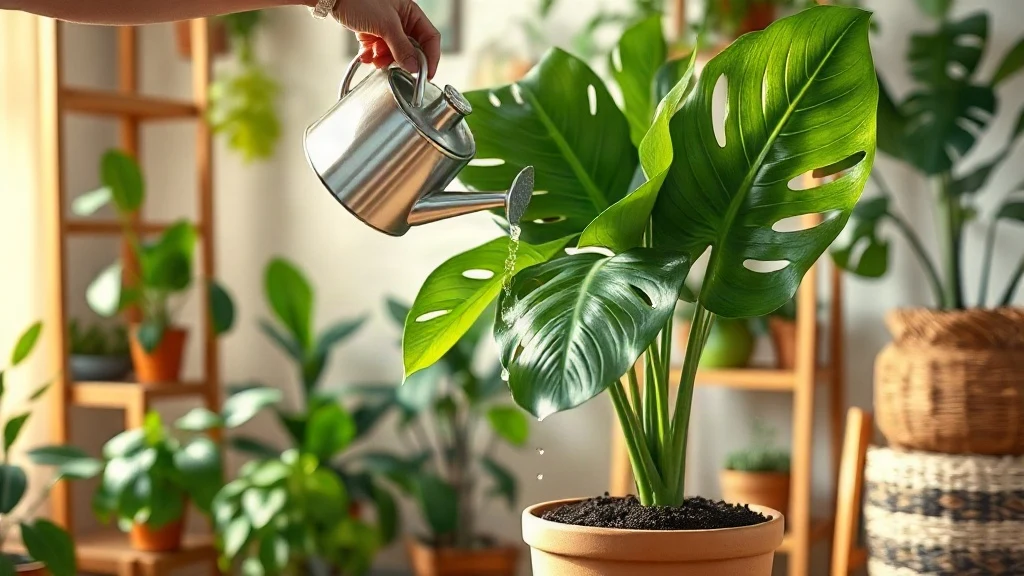
When you water, water until it runs out the bottom drain. Empty the saucer after 10 minutes. Sitting in water causes root rot, which is the fastest way to kill a houseplant.
What Light Conditions Do Houseplants Need?
Light is the most important factor in indoor plant care, and most houseplants need bright, indirect light.
South-facing windows deliver the strongest light. East or west windows are good for most leafy plants. North-facing windows suit only low-light plants like snake plants and ZZ plants.
Signs of too little light include leggy stems, smaller new leaves, and dull color. Too much direct sun causes pale brown patches on leaves.
How Much Humidity Do Indoor Plants Need?
Most indoor plants thrive in humidity between 50 and 60 percent.
Most homes stay around 30 to 40 percent, especially in winter. Plants from tropical rainforests hate that dry air. Group plants together, place pots on a pebble tray with water, or run a small humidifier near your collection.
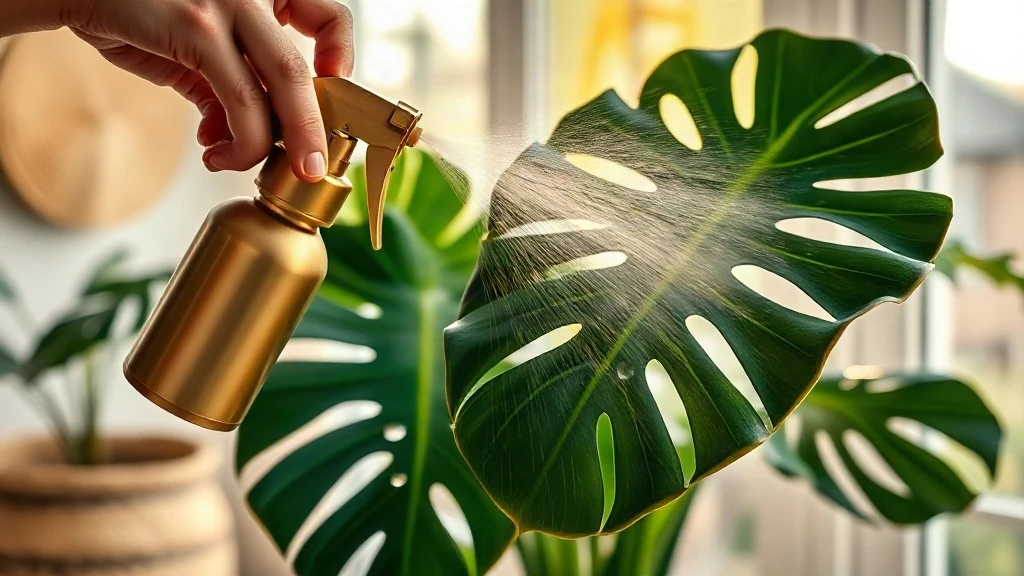
Misting raises humidity for only a few minutes. It is not a reliable solution. If you mist, do it in the morning so leaves dry before night.
What Soil Should You Use for Indoor Plants?
Use a well-draining potting mix, not garden soil, for every indoor plant.
Garden soil is too dense and can bring pests into your home. A good houseplant mix contains peat moss or coco coir, perlite, and compost or bark. For cacti and succulents, add extra coarse sand or perlite.
Check the label for the words "potting mix for containers."
When and How to Repot a Houseplant
Repot a houseplant when roots grow out of the drainage holes or the soil dries out extremely fast.
Spring is the best time to repot because plants are starting their growing period. Move the plant to a pot that is one to two inches larger. Gently loosen the root ball, put fresh potting mix at the bottom, and fill around the sides. Water lightly after repotting.
Indoor Plant Care Mistakes to Avoid
The most common indoor plant care mistakes are overwatering, underwatering, and moving plants too often.
- Overwatering. More plants die from too much water than from too little. Always check soil moisture first.
- Underwatering. Dried out roots also kill plants. If leaves feel thin and crisp, their root ball may be bone dry.
- Sudden moves. Plants need time to adjust. Pick a spot and keep them there unless you are rotating once a week.
- Winter fertilizing. Most plants do not need fertilizer from November to March.
How to Fix Common Houseplant Problems
Yellow leaves, brown tips, and leggy growth almost always point to water, light, or humidity issues.
- Yellow leaves: usually overwatering or too little light. Cut off the yellow leaves and adjust the routine.
- Brown, crispy tips: dry air or inconsistent watering. Add humidity and water more regularly.
- Leggy stems: not enough light. Move the plant to a brighter spot gradually.
- Mushy stems or a bad smell: root rot. Repot in fresh, dry soil and remove rotten roots.
- Wilting with wet soil: the roots may be drowning. Let the soil dry out and check the drainage holes.
Indoor Plant Care FAQ
Should you water indoor plants from the top or bottom?
Top watering is fine for most plants. Bottom watering works well for plants that are sensitive to wet leaves, like African violets.
Can you use tap water for houseplants?
Yes, but let it sit overnight first so chlorine can evaporate. If your water is hard or your plant shows white spots, switch to filtered or distilled water.
Do indoor plants need fertilizer?
Yes, but only in spring and summer. Use a balanced houseplant fertilizer every 4 to 6 weeks at half strength.
How do you revive a dying houseplant?
First check the root system. Cut away black, mushy roots, repot in fresh mix, and place the plant in the correct light. Trim damaged leaves and water only when the top inch is dry.
Why is my plant dropping leaves?
Usually the cause is a sudden change in temperature, light, or watering. Move it back to a stable spot and let the soil dry more between waterings.
"Flowers always make people better, happier, and more helpful; they are sunshine, food and medicine to the soul."
Luther Burbank, horticulturist
For more species-specific guides, visit our Houseplant Care category. You can also start on the Houseplant Guide Hub home page.
Next story
Houseplant Care Guide for Beginners (Updated 2026)
Simple houseplant care answers for beginners: how often to water, how much light to give, when to repot, and how to fix common problems. Updated 2026.